iPhone Duo Review (2026): Is Apple’s First Foldable Worth A$3,499?
The specs, the highs, the “CrackGate” hinge failures and the real verdict — after researching hands-on reviews, teardowns and owner reports
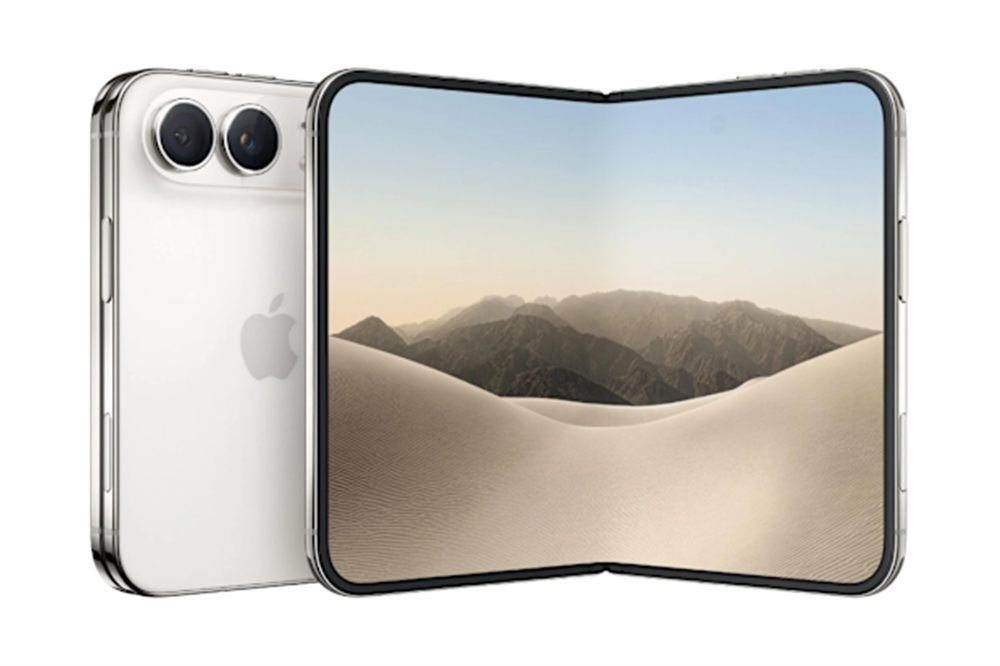
Apple’s first foldable iPhone finally exists. The iPhone Duo went on sale on 23 October 2026 in more than 70 countries, unfolding into a small tablet, hiding its selfie camera under the screen, and costing more than any iPhone before it. It is also the first iPhone to support an Apple Pencil.
The only question that matters is the one in the title: is it worth it? To answer that we went through Apple’s own materials, the first hands-on reviews, iFixit’s teardown analysis and the wave of owner reports that appeared within hours of launch. This review covers what the Duo gets right, where it falls short, and the hinge defect that has owners and Apple Stores busy.
What the iPhone Duo is — and what it costs
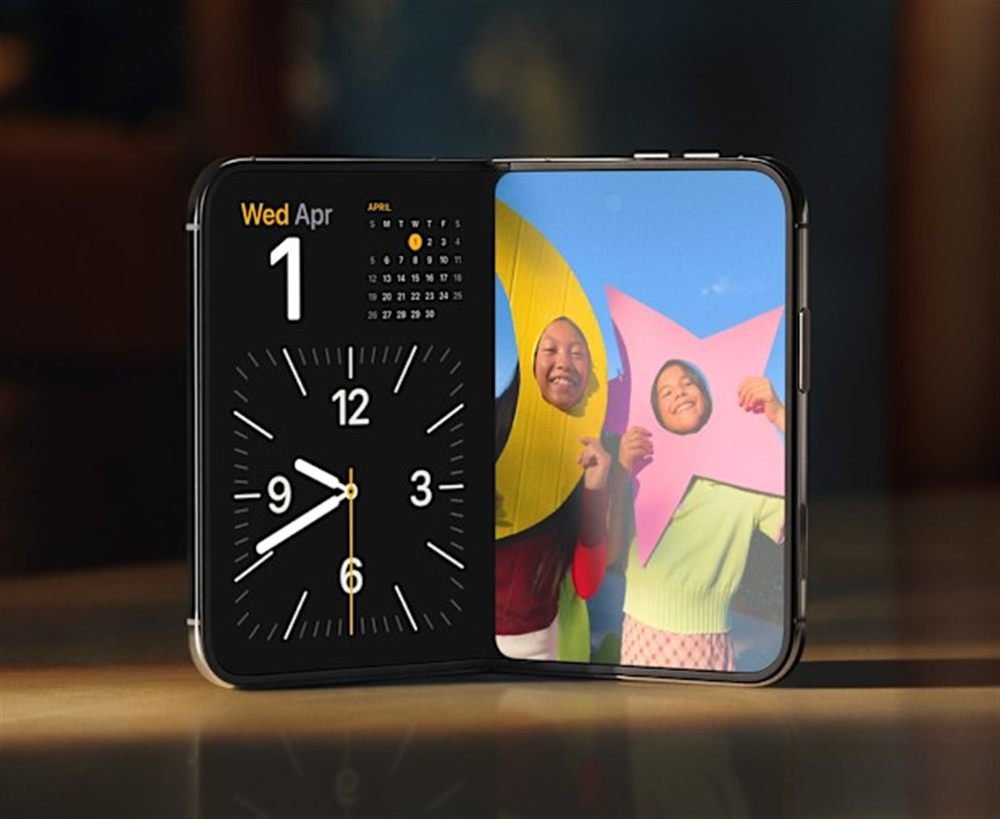
Closed, the Duo is a passport-shaped phone about as wide as a Pro Max but much shorter. Open it and you get a roughly 7.6–7.8-inch folding display, an under-display FaceTime camera, Touch ID instead of Face ID, and a hinge Apple says is built from more than 100 components. There is no SIM tray in any market — it is eSIM only.
| Spec | iPhone Duo |
|---|---|
| Display | ~7.6–7.8″ folding OLED inner + ~5.5″ cover screen |
| Chip | A20 Pro |
| Cameras | Two rear lenses (Wide + Ultra-wide); under-display FaceTime camera |
| Unlock | Touch ID |
| Stylus | Apple Pencil — the first iPhone to support it |
| Connectivity | eSIM only, no SIM tray |
| Price (AU) | From A$3,499 — up to A$5,899 depending on storage |
At A$3,499 to start, it is the most expensive iPhone Apple has shipped, and roughly A$800 more than a same-sized Samsung Galaxy Z Fold 8.
The good: Apple nailed the two hardest parts
Reviewers who spent hands-on time with the Duo agree on the headline: for a first attempt, Apple solved the two problems that have defined foldables for years — the crease and the hinge feel.
- The crease is effectively invisible. Apple added a Nano Texture anti-glare coating to the inner display, so there is no reflection to catch the fold. Hands-on reviewers called it the least noticeable crease on any foldable — and Apple got there in one generation where Samsung has spent seven.
- The hinge feels premium. Opening it “like a book” is described as satisfying, and the display re-orients instantly between closed, half-open and flat states with no lag.
- The under-display camera is genuinely hidden. Samsung retreated from this technology on its own foldables; Apple’s version is barely visible and appears only when you shoot.
- Apple Pencil support. No other iPhone works with the Pencil, and Samsung dropped S-Pen support from its foldables — so this is a real differentiator for note-takers and sketchers.
- Software that uses the shape. The outer screen blurs into the inner one as you open it, Netflix built a fold-aware interface, and half-folded you get playback controls on the lower half while video plays above.
The bad: price, cameras and an eSIM-only future
- The price is the biggest catch. A$3,499–A$5,899 makes this the most expensive iPhone by a long margin, and the same-sized Galaxy Z Fold 8 undercuts it by about A$800.
- Only two rear cameras. You get Wide and Ultra-wide — no telephoto, no zoom. If you want Apple’s pro camera system you still have to buy an iPhone 18 Pro and lose the fold.
- First-generation risk. Apple has never published a fold-cycle rating for the hinge, and foldables in general remain the least proven category of phone for long-term durability.
- eSIM only. No SIM tray in any market — fine for most, but a hassle for frequent travellers who rely on local physical SIMs.
- Repair math. Out-of-warranty, an inner-display replacement is priced high (see below), and the hinge and screen are replaced as one unit.
The CrackGate problem: a hinge that appears to pinch the screen
Launch weekend did not go to plan. Within days of the 23 October release, owners in Australia, the US, Canada, China and India were posting photos of the same fault: a thin crack on the inner screen directly over the hinge, followed by a bright line of stuck pixels running across one half of the display. Some phones stopped folding altogether.
The most-shared case came from a Melbourne owner who had the phone for about six hours and opened it fewer than 20 times. He felt something near the hinge, heard an audible crack, and found no marks on the surface — just the line across the screen. Apple Stores have been swapping affected units on the spot, and the r/iPhoneDuo community now collects the reports in a pinned “CrackGate” thread.
What is likely causing it
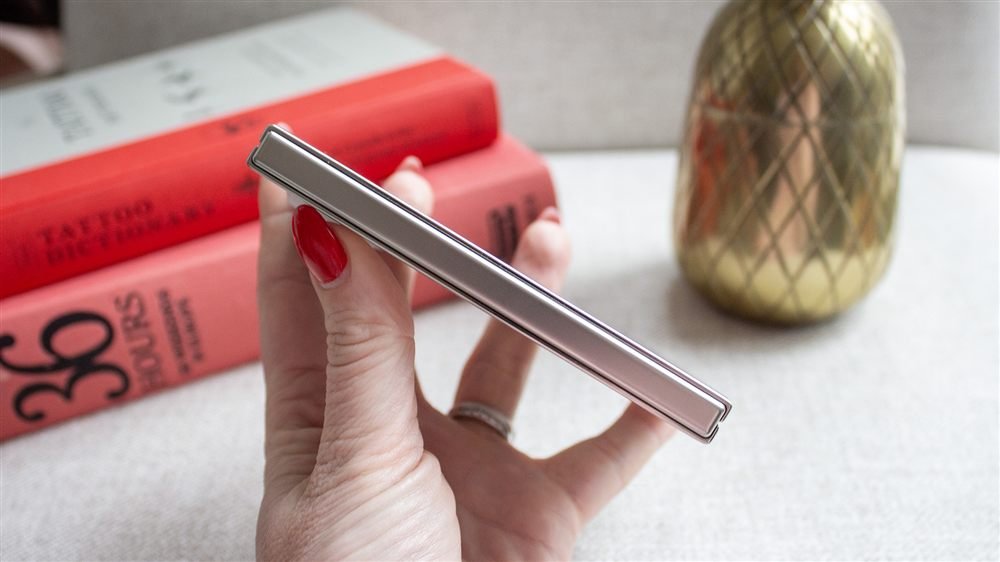
Every theory so far points at the hinge, not user handling. iFixit built an exact 3D model of the hinge and matched it against the reported damage: the breaks cluster near the point where the gap for the crossing flex cable meets the central hinge support — a spot where several edges converge and change how the thin display is supported as it bends. The working theory is that a hinge part or the central pivot is slightly misaligned in some units and pushes into the panel as it opens.
- It is not universal. Review units Apple seeded ahead of launch did not show the fault, which points to a bad batch rather than every phone.
- Stress tests disagree. A folding machine run by reporter Joanna Stern opened and closed a Duo more than 32,000 times over four nights without cracking it. But JerryRigEverything got dust into the hinge until it would not close, and a deliberate bend test left a permanent green line across the screen.
- Apple has not confirmed a cause. The symptom is consistent; the explanation is still unresolved.
“There aren’t diagnostics or software remedies for hinge issues” — Apple’s internal guidance to service technicians, which tells them to replace the inner display assembly outright.
What Apple says — and what a repair costs
Apple has not issued a recall or a repair program, but it quietly published an “iPhone Duo Troubleshooting Hinge Issues” support page on launch weekend. It lists the symptoms to watch for — a device that won’t open or close fully, unusual noises, a loose, bent or broken hinge, and enclosure damage — and advises removing third-party cases or screen protectors and checking for dust or particles along the hinge.
The repair economics matter, because the hinge and the folding screen are replaced together (there is no separately orderable hinge part):
| Repair | Cost (USD) |
|---|---|
| Inner display, out of warranty | $999 |
| Inner display with AppleCare+ | $99 |
| Cover layer only | $19 |
Bottom line on the defect: a crack with no impact marks that appears within hours should fall under the one-year manufacturing warranty — several owners got a same-day swap. But reports are mixed, with some stores judging the damage as user-caused, and buyers who went through a carrier have had a harder time because spare stock is scarce.
iPhone Duo vs Galaxy Z Fold 8
These are the two book-style foldables Australians can actually buy. The Duo is the more impressive piece of hardware; the Fold 8 is the calmer, cheaper, more mature one.
| iPhone Duo | Galaxy Z Fold 8 | |
|---|---|---|
| Price (Amazon AU / retail) | From A$3,499 | A$2,697 |
| Crease | Hidden by Nano Texture anti-glare coating | Visible, though improved each generation |
| Stylus | Apple Pencil (first iPhone to support it) | No S-Pen on current Folds |
| Cameras | Two (Wide + Ultra-wide), no telephoto | Dual 50MP with zoom |
| Known launch issues | “CrackGate” hinge cracking reports | Mature platform, no comparable defect |
| Ecosystem | Deepest integration with iPhone, Mac, Watch | Deepest with Galaxy and Windows |

Should you buy it? Our verdict
Not at launch, and not this batch. The Duo is the most exciting iPhone in years and, on hardware alone, the best foldable yet made — the crease trick and the hinge feel alone justify the “premium” label. But the CrackGate defect means buyers right now are part of an experiment Apple has not finished diagnosing, and the price is the highest it has ever charged.
- Wait for Apple’s answer. Once Apple identifies the affected batch — or ships phones made after a fix — the Duo becomes a far safer purchase, and the A$3,499 asking price may look more reasonable.
- If you want a foldable today and value reliability and price, the Galaxy Z Fold 8 is A$800 cheaper, comes with zoom cameras, and has no comparable launch defect.
- If you are deep in Apple’s ecosystem and money is not the constraint, the Duo is legitimately special — just buy AppleCare+ (which drops the inner-display repair to $99) and keep your receipt.
- If you want the best camera and battery without the folding drama, an iPhone 18 Pro is still the smarter iPhone for most people.
Short version: a brilliant first foldable sold a batch too early. Impressive, expensive — and worth waiting a few weeks before you commit.
Where to check current prices
The Duo is sold direct and through retail like JB Hi-Fi rather than on Amazon AU at launch. For the alternatives mentioned above, check live prices here: Samsung Galaxy Z Fold 8, Apple iPhone 18 Pro and Apple iPhone 17.
This review is based on Apple’s published materials, first hands-on reviews, iFixit teardown analysis and owner reports from launch week (October 2026). Prices, availability and the status of the hinge issue may change. Some links are Amazon AU affiliate links; we may earn from qualifying purchases.