The Two Giants of Android in 2026: Which One Deserves Your Money?
For more than a decade now, the Google Pixel and the Samsung Galaxy have stood as the two most important names in the Android world, and 2026 is no exception. These are not just two phone brands — they represent two completely different philosophies about what a smartphone should be. Google treats the Pixel as a vehicle for its own software, its own chips, and its own AI models, which means everything from the camera processing to the launcher is tuned by the same company that makes Android itself. Samsung, on the other hand, builds the Galaxy as a showcase of hardware ambition, packing in the largest displays, the most cameras, the fastest charging, and the broadest ecosystem of any Android maker. If you are trying to decide between them this year, the good news is that you cannot really go wrong — both the Pixel 10 and Galaxy S26 lineups deliver flagship-level experiences — but the differences between them are real, and they matter far more than a quick glance at a spec sheet would suggest. In this article, we put the Google Pixel and Samsung Galaxy against each other across the mid-range and flagship tiers, break down every important spec in clear comparison tables, and help you figure out exactly which one fits the way you actually use your phone.
Pixel 10a vs Galaxy A56: The Mid-Range Showdown That Most People Actually Need
Before we talk about thousand-dollar flagships, it is worth covering the phones most readers will actually buy: the budget-to-midrange segment. In 2026, that battle is basically a fight between the Google Pixel 10a and the Samsung Galaxy A56 5G. Both of these phones sit in the roughly $400–$500 price band, both have sharp OLED displays, and both are perfectly capable of handling a full day of work, social media, gaming, and photography. But the way they go about it is completely different. The Pixel 10a is Google’s attempt to bring its legendary computational photography and clean software experience down to a price where almost anyone can afford it, while the Galaxy A56 is Samsung proving that a midrange phone can feel like a much more expensive device, with its big bright screen, fast 45W charging, and up to 12GB of RAM. We compared both thoroughly, and here is the complete side-by-side spec breakdown.
Display: The Galaxy A56 Wins on Size, The Pixel 10a Wins on Density
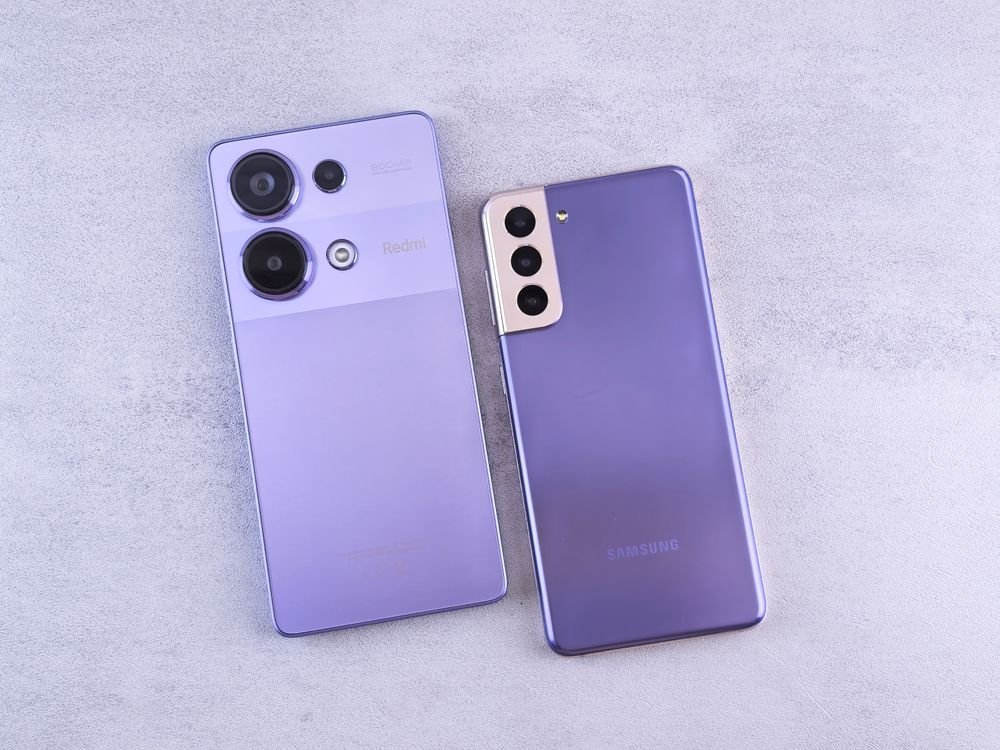
Both phones use OLED panels with a smooth 120Hz refresh rate, but the size difference between them is immediately obvious when you hold them next to each other. The Galaxy A56 ships with a generous 6.7-inch Super AMOLED panel with a 1080 x 2340 resolution and 385 pixels per inch, which makes it feel noticeably larger for watching videos, gaming, and browsing. The Pixel 10a counters with a more compact 6.3-inch P-OLED screen with a slightly higher 1080 x 2400 resolution and sharper 422 pixels per inch — the higher density means text and icons look marginally crisper, and the shorter reach makes one-handed use more comfortable. Neither screen will disappoint, but if you are a heavy media consumer who wants the biggest canvas possible, the Galaxy has the edge, while the Pixel is the better choice for someone who values sharpness and portability.
| Spec | Google Pixel 10a | Samsung Galaxy A56 5G | Winner |
|---|---|---|---|
| Size | 6.3 inches | 6.7 inches | Galaxy |
| Panel | P-OLED | Super AMOLED | Draw |
| Refresh Rate | 120Hz | 120Hz | Draw |
| Resolution | 1080 x 2400 | 1080 x 2340 | Pixel |
| Pixels Per Inch | 422 ppi | 385 ppi | Pixel |
| Protection | Gorilla Glass 7i | Gorilla Glass Victus | Draw |
Performance: Tensor G4 vs Exynos 1580
Under the hood, these two phones run surprisingly competitive chips. The Pixel 10a is powered by Google’s own Tensor G4 processor built on a 4nm process, which is the same chip family found in the flagship Pixel 9 series, and it ships in every Pixel 10a with 8GB of RAM. The Galaxy A56 uses Samsung’s Exynos 1580, also built on a 4nm node, and it is available in 6GB, 8GB, or 12GB RAM configurations depending on the region. In real-world use, both phones feel snappy for day-to-day tasks, and neither will struggle with heavy multitasking or modern games. Benchmark numbers tell the story more precisely: in Geekbench 6 multi-core tests the Tensor G4 inside the Pixel 10a scores around 4,500 while the Exynos 1580 in the Galaxy registers roughly 3,893, and in single-core the Pixel leads 1,600 to 1,360. Meanwhile, AnTuTu gives the Pixel around 1.4 million points against the Galaxy’s 1.2 million. So on pure performance the Pixel 10a is the faster phone, though the Galaxy A56’s 12GB RAM option gives it an edge for extreme multitasking and long-term memory resources, and will feel snappier in heavier workloads if you grab the top config.
| Spec | Google Pixel 10a | Samsung Galaxy A56 5G | Winner |
|---|---|---|---|
| Processor | Google Tensor G4 (4nm) | Exynos 1580 (4nm) | Pixel |
| RAM | 8GB | 6 / 8 / 12GB | Galaxy |
| Storage | 128 / 256GB | 128 / 256GB | Draw |
| Geekbench 6 Multi | ~4,500 | ~3,893 | Pixel |
| Geekbench 6 Single | ~1,600 | ~1,360 | Pixel |
| AnTuTu Score | ~1,400,000 | ~1,200,000 | Pixel |
Cameras: Google’s Magic vs Samsung’s Versatility
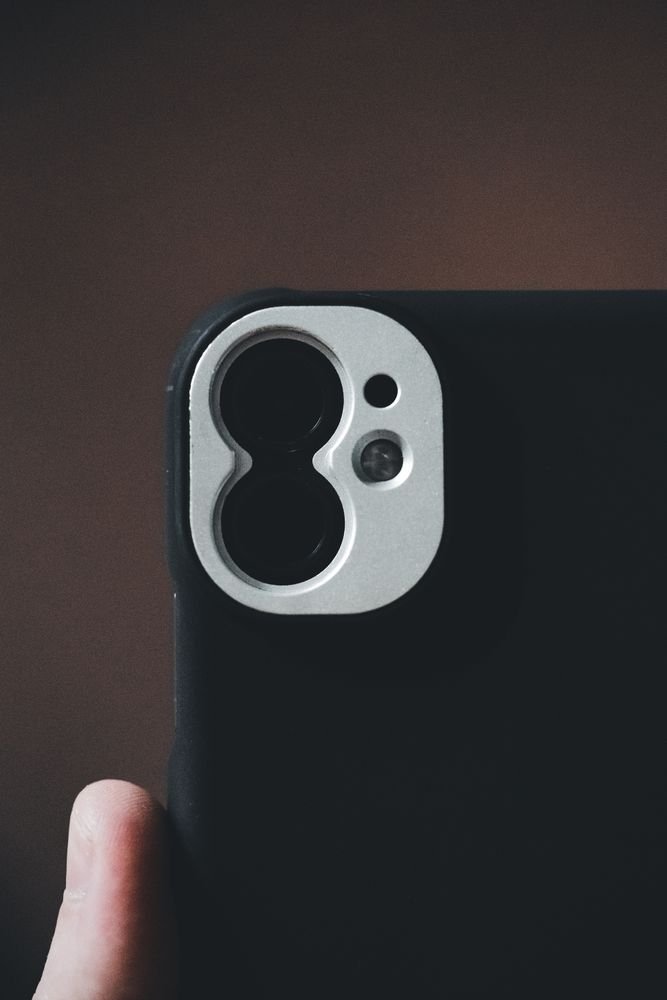
This is the big one, because camera quality is often the single biggest reason people choose between these two brands. The Pixel 10a has a dual rear camera — a 48MP main lens with an f/1.7 aperture plus a 13MP ultrawide — and although that sounds modest on paper, Google’s computational photography is the best in the business. Night Sight, Real Tone, Magic Eraser, and the overall HDR processing produce photos that routinely look better than phones with far more impressive specs. It also records video in 4K at 60 frames per second on both the rear and the 13MP front camera, which is genuinely impressive at this price. The Galaxy A56 counters with a triple rear camera — a 50MP main lens, a 12MP ultrawide, and a 5MP macro — giving it more shooting flexibility, particularly for close-up macro shots that the Pixel cannot do. However, Samsung’s video tops out at 4K 30fps, and its processing, while very good, does not quite match Google’s signature look. Front cameras are close, at 13MP on the Pixel versus 12MP on the Galaxy, but the Pixel’s higher-resolution front shooter also records sharper 4K video. For most people, the Pixel 10a takes the better photos more consistently, while the Galaxy offers more lenses to play with.
| Spec | Google Pixel 10a | Samsung Galaxy A56 5G | Winner |
|---|---|---|---|
| Main Camera | 48MP, f/1.7 | 50MP, f/1.8 | Pixel |
| Ultrawide | 13MP | 12MP | Draw |
| Macro Lens | None | 5MP | Galaxy |
| Front Camera | 13MP | 12MP | Pixel |
| Video Resolution | 4K @ 60fps | 4K @ 30fps | Pixel |
| Special Features | Night Sight, Magic Eraser, Real Tone | 8K-ready processing, night mode | Pixel |
Battery and Charging: Samsung Charges Faster, Google Lasts a Bit Longer
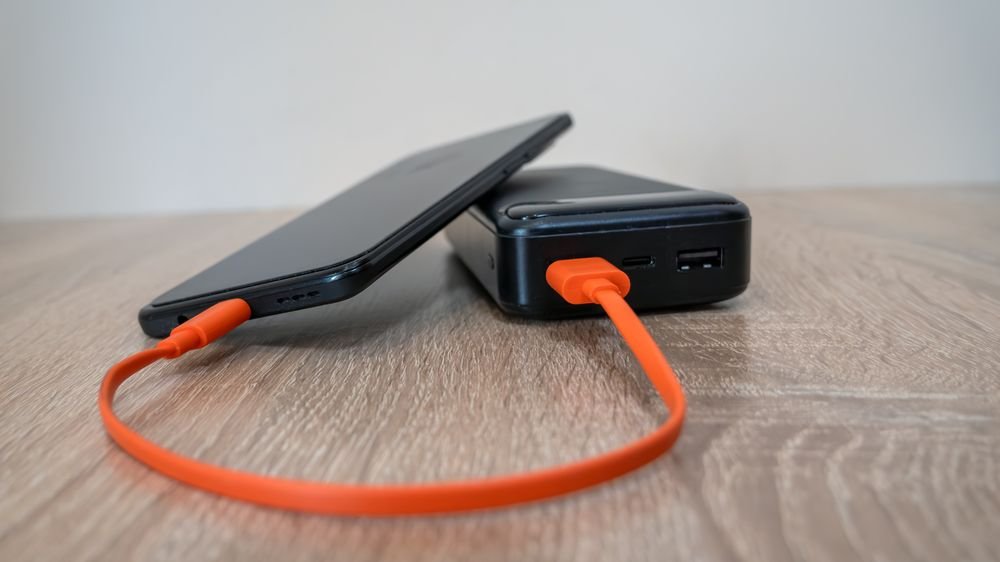
Battery life on both phones is excellent and will easily get you through a full day, but the charging situation is where these two really diverge. The Galaxy A56 packs a 5,000mAh battery with up to 45W fast charging, which is genuinely fast for the price — Samsung claims you can get to roughly half a charge in about half an hour. The Pixel 10a carries a slightly larger 5,100mAh cell, but it only charges at 30W wired, so it refills more slowly. The tradeoff is that the Pixel 10a adds wireless charging, something the Galaxy A56 does not offer at all; the Pixel’s Qi wireless support is a genuinely useful convenience that most midrange phones skip. So the practical summary is: if you want the fastest top-up speed, buy the Galaxy; if you want wireless charging and a marginally bigger battery, buy the Pixel.
| Spec | Google Pixel 10a | Samsung Galaxy A56 5G | Winner |
|---|---|---|---|
| Battery Capacity | 5,100mAh | 5,000mAh | Pixel |
| Wired Charging | 30W | 45W | Galaxy |
| Wireless Charging | Yes (Qi) | No | Pixel |
| Durability | IP68 | IP67 | Pixel |
Speakers and Audio: An Underrated Difference
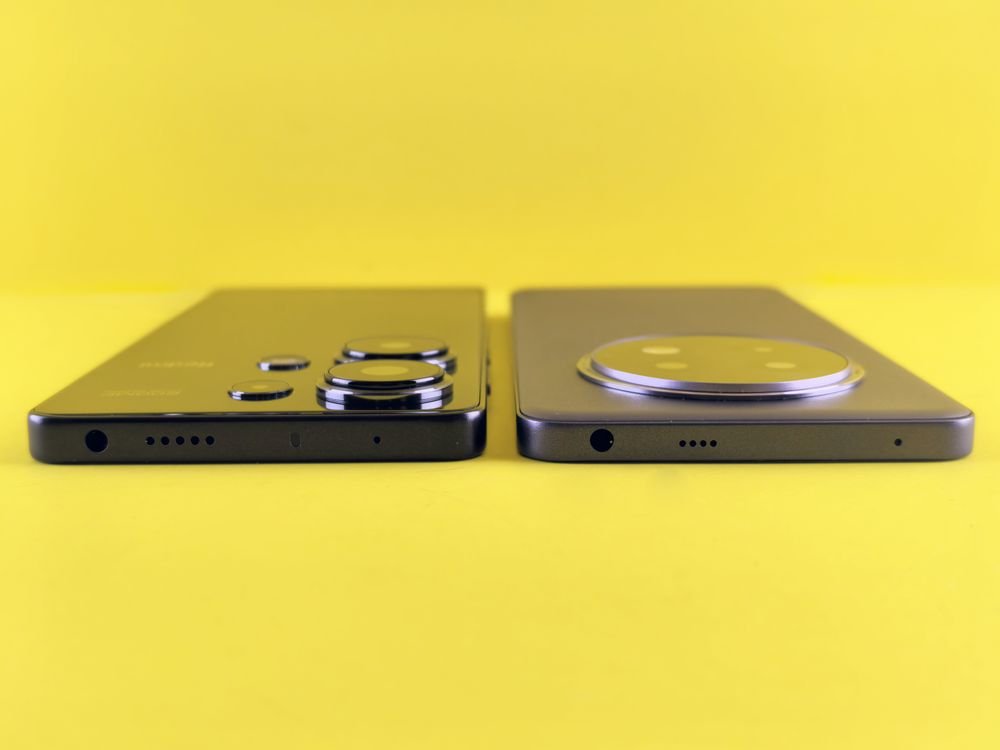
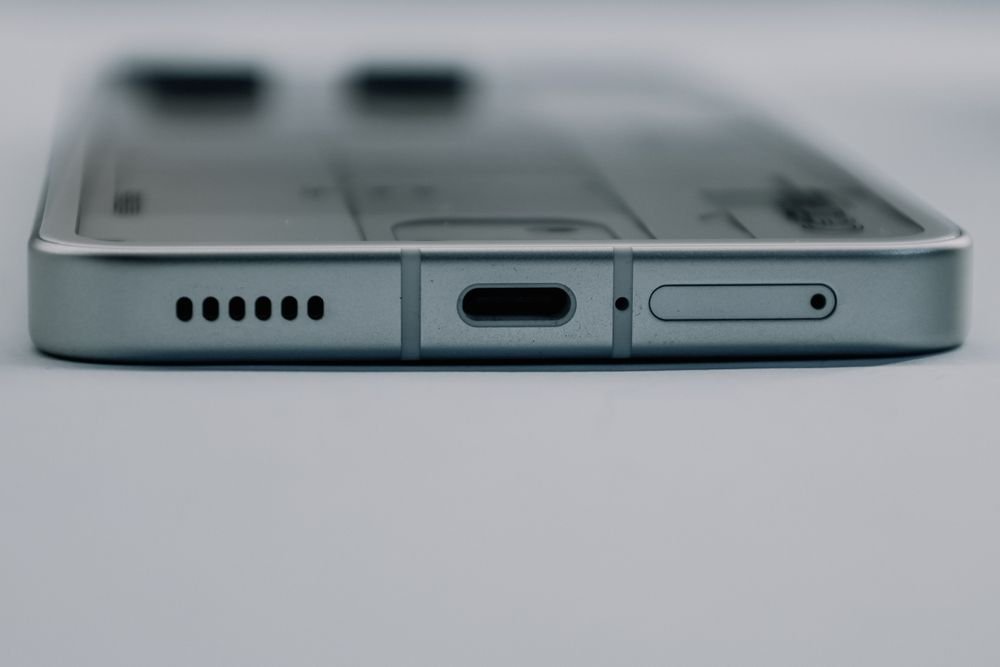
Sound quality rarely gets the attention it deserves in phone comparisons, but it is a day-to-day difference you will notice far more often than a benchmark score. The Galaxy A56 benefits from Samsung’s long-running stereo speaker design that leans on the display’s acoustic waveguide to project a wide, reasonably loud soundstage, and it combines the bottom-firing speaker with the earpiece for clear left-right separation while you watch videos in landscape. The Pixel 10a also has stereo speakers, but Google tunes them more toward clarity and balance than sheer loudness, with an emphasis on keeping vocals crisp and distortion-free at high volumes. Neither phone has a headphone jack, so Bluetooth is the way forward for wired-style listening on both, but the Galaxy’s slightly more powerful drivers tend to fill a room better, while the Pixel sounds a touch more refined at moderate volumes. If you watch a lot of video or listen to podcasts without headphones, the Galaxy nudges ahead; if you prefer accurate, uncolored audio, the Pixel’s tuning is hard to fault.
Connectivity and Extras
A few smaller details round out the differences. The Pixel 10a is slightly more rugged with its IP68 water and dust resistance rating versus the Galaxy A56’s IP67, and it supports Wi-Fi 6E, one generation ahead of the Galaxy’s Wi-Fi 6. However, the Galaxy A56 is notably thinner at 7.4mm versus the Pixel’s 9mm, and it supports dual physical SIM plus dual eSIM — while the Pixel offers only a single physical SIM alongside its eSIM, which is worth considering if you travel frequently or use two separate carrier lines. Neither phone has expandable storage, so pick your 256GB configuration wisely, and both get years of software updates, though Google’s seven-year commitment for the Pixel is more generous than Samsung’s update policy for its A-series.
| Spec | Google Pixel 10a | Samsung Galaxy A56 5G | Winner |
|---|---|---|---|
| 5G Support | Yes | Yes | Draw |
| Wi-Fi | Wi-Fi 6E | Wi-Fi 6 | Pixel |
| SIM Support | 1 SIM + 1 eSIM | 2 SIM + 2 eSIM | Galaxy |
| Fingerprint Scanner | In-display | In-display | Draw |
| Thickness | 9.0mm | 7.4mm | Galaxy |
Flagship Tier: Pixel 10 Pro vs Galaxy S26 Ultra
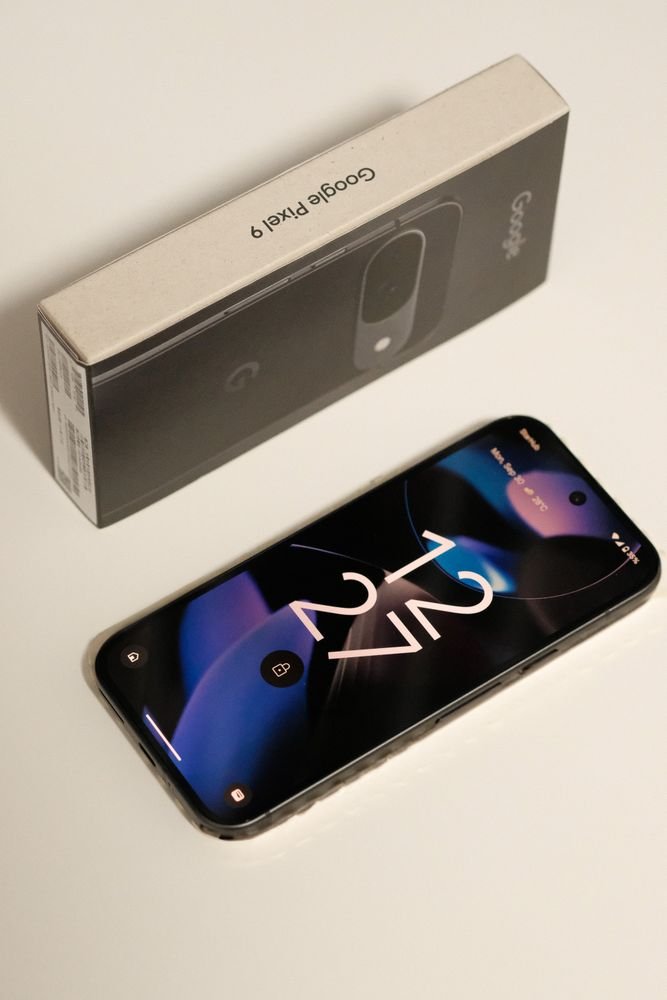
If you are willing to spend flagship money, the competition in 2026 is between Google’s Pixel 10 Pro and Samsung’s Galaxy S26 Ultra, and this is where the two brands’ philosophies really clash. The Pixel 10 Pro launched in August 2025 at $999 with the same size 6.3-inch 120Hz OLED display, but upgrades to Google’s newest Tensor G5 processor, 16GB of RAM, and an extraordinary camera system consisting of a 50MP main, 48MP ultrawide, and 48MP 5x telephoto, all backed by so-called Pixelsnap magnetic accessory support, which is compatible with the MagSafe ecosystem. The Galaxy S26 Ultra, launched February 2026 at $1,299, is the larger and more aggressive of the two with a huge 6.9-inch 120Hz Dynamic AMOLED screen, a blistering Snapdragon 8 Elite Gen 5 chipset, 12GB or 16GB of RAM, and a monster four-lens camera: a 200MP main, two 50MP lenses, and a 10MP periscope. It also brings the S Pen stylus, which remains completely unique to Samsung among flagship Android phones. Here is how they stack up on the specs that matter.
| Spec | Google Pixel 10 Pro | Samsung Galaxy S26 Ultra | Winner |
|---|---|---|---|
| Price | $999 | $1,299 | Pixel |
| Display | 6.3″ OLED, 120Hz | 6.9″ AMOLED, 120Hz | Galaxy |
| Processor | Google Tensor G5 | Snapdragon 8 Elite Gen 5 | Galaxy |
| RAM | 16GB | 12 / 16GB | Draw |
| Main Camera | 50MP | 200MP | Galaxy |
| Telephoto | 48MP 5x zoom | 10MP periscope | Pixel |
| Front Camera | 42MP | 12MP | Pixel |
| Battery | 4,870mAh | 5,000mAh | Galaxy |
| S Pen Stylus | No | Yes | Galaxy |
| Geekbench 6 Multi | ~5,712 | ~10,059 | Galaxy |
| OS Updates | 7 years | 4 years (OS) | Pixel |
Software: Clean Android vs One UI
Specs only tell half the story, because software is where these two phones diverge most dramatically. The Pixel runs stock Android 16, which Google updates first — Pixel users get new Android versions and monthly security patches before anyone else, since Google builds both the OS and the phone. You get a clean, bloat-free interface, Google’s full suite of AI features deeply integrated (including Gemini Assistant, call screening, Circle to Search, and on-device AI photo editing), and a seven-year commitment to OS and security updates, which is the longest in the industry. The Galaxy runs Samsung’s One UI on top of Android, which is heavier with features like DeX desktop mode, a customizable taskbar, and Samsung’s own Galaxy AI tools, but it also ships with more pre-installed apps and duplicate services (Bixby alongside Google Assistant, the Galaxy Store alongside the Play Store, and so on). One UI is more customizable out of the box and is genuinely excellent for power users, but the Pixel is the purest, fastest, and most long-lived Android experience you can buy. If you plan to keep your next phone for five years, the Pixel’s update guarantee is a massive advantage.
AI and Intelligence: Gemini vs Galaxy AI
Both 2026 lineups are aggressively pushing on-device AI, but they do it from different starting points. The Pixel 10 series is built hand-in-hand with Google’s Gemini models, so AI features feel native — call screening, Live Translate, Magic Editor, nowcasting weather, and even the camera itself are driven by Google’s flagship models patched directly into the system. Samsung’s Galaxy AI is also very capable, with features like Circle to Search, AI object erasers, transcript assistants, and real-time translation during calls, and Samsung bundles a lot of this capability into One UI’s everyday workflows. In practice, Google’s AI feels more polished and more deeply connected to the OS, while Samsung’s is broader in spread but occasionally still asks you to use it through separate Samsung apps. For most users, the Pixel’s tighter Google integration is the more seamless experience.
Ecosystem: Samsung Wins the Whole-Package Game
One area where Samsung crushes the Pixel is the ecosystem. Samsung sells Galaxy Watches, Galaxy Buds, Galaxy Tabs, and even Galaxy Books that are all designed to work together seamlessly, with features like auto-switching audio, shared clipboards, Samsung Notes syncing, and DeX turning your phone into a desktop computer. Google’s Pixel Watch and Pixel Buds are excellent too, but the overall Pixel ecosystem is far smaller, and certain integrations (like Remote Desktop-style DeX) simply do not exist on Pixel. If you already own Samsung gear, or you want a watch, earbuds, and tablet that all talk to each other, the Galaxy is the natural choice. If you are a phone-first person who just wants the best possible single device, the Pixel holds up just fine.
The Verdict: Which One Should You Buy?
After putting both brands through their paces at every price level, we can give you a clear answer, and it is not a one-size-fits-all one. If you want the best camera, the cleanest software, the fastest updates, the longest software support, and the sharpest value for money, the Google Pixel — whether that is the Pixel 10a at $500 or the Pixel 10 Pro at $999 — is the better choice for most people. Buy the Pixel if you care about photography, plan to keep your phone for many years, prefer a bloat-free experience, or want the tightest AI integration. Buy the Samsung Galaxy — the A56 at midrange or the S26 Ultra at flagship level — if you want a bigger screen, faster charging, more lenses and ecosystem devices, the S Pen stylus, dual-SIM flexibility, or the absolute fastest raw performance. Both are excellent phones, and the “loser” here is still one of the best Android devices you can buy — you simply have to decide whether you want Google’s intelligence or Samsung’s everything.
Pixel vs Galaxy: Full Spec Comparison Table
For readers who want the complete picture in one place, here is the entire head-to-head spec comparison across both lineups. Use this table as a quick reference before you open your wallet.
| Spec | Google Pixel 10a | Galaxy A56 5G | Pixel 10 Pro | Galaxy S26 Ultra |
|---|---|---|---|---|
| Starting Price | $499 | $449 | $999 | $1,299 |
| Display | 6.3″ P-OLED 120Hz | 6.7″ AMOLED 120Hz | 6.3″ OLED 120Hz | 6.9″ AMOLED 120Hz |
| Processor | Tensor G4 | Exynos 1580 | Tensor G5 | Snapdragon 8 Elite Gen 5 |
| RAM | 8GB | 6–12GB | 16GB | 12–16GB |
| Main Camera | 48MP | 50MP | 50MP | 200MP |
| Ultrawide | 13MP | 12MP | 48MP | 50MP |
| Telephoto | None | None | 48MP 5x | 50MP + 10MP |
| Front Camera | 13MP | 12MP | 42MP | 12MP |
| Battery | 5,100mAh | 5,000mAh | 4,870mAh | 5,000mAh |
| Wired Charging | 30W | 45W | 30W | 45W |
| Wireless Charging | Yes | No | Yes | Yes |
| IP Rating | IP68 | IP67 | IP68 | IP68 |
| Stylus | No | No | No | S Pen |
| OS Updates | 7 years | 4–5 years | 7 years | 4 years OS |
Frequently Asked Questions
Is Google Pixel or Samsung Galaxy better?
There is no universal answer. The Google Pixel is better for users who value camera quality, clean software, faster updates, and the longest software support, while the Samsung Galaxy is better for users who want bigger screens, faster charging, more camera lenses, the S Pen, and a broader ecosystem of devices. Choose based on which of those matters more to you.
Which phone has the better camera in 2026, Pixel or Galaxy?
For everyday photos, the Pixel consistently produces the best-looking images thanks to Google’s computational photography, advanced Night Sight, and Real Tone technology. The Galaxy wins on raw versatility with more lenses — including the 200MP main sensor and periscope zoom on the S26 Ultra — which makes it stronger for zoom shots and close-up macro photography.
Does the Pixel get more updates than the Galaxy?
Yes. Google promises seven years of OS and security updates for the Pixel 10 series, which is the industry’s longest support window. Samsung guarantees four years of major OS updates and five years of security updates for its flagship Galaxy S series, which is still good but shorter than Google’s commitment.
Is Samsung Galaxy better for gaming?
Generally yes, especially at the flagship level. The Galaxy S26 Ultra’s Snapdragon 8 Elite Gen 5 chipset posts significantly higher benchmark scores (around 10,000 in Geekbench 6 multi-core versus roughly 5,700 for the Pixel’s Tensor G5), and Samsung’s larger displays and vapor-chamber cooling give it an edge for sustained performance in demanding games.
Which phone should I buy for under $500?
In that budget, the Google Pixel 10a is the best all-rounder thanks to its superior camera processing, cleaner software, wireless charging, and seven years of updates. The Samsung Galaxy A56 5G is the better pick if you prefer a larger display, 45W fast charging, more RAM options, and dual-SIM support.
Our Final Take on Pixel vs Galaxy in 2026
The Pixel versus Galaxy debate is as old as Android itself, and 2026 has done nothing to settle it — because both companies keep making genuinely excellent phones from different angles. Our honest recommendation is to buy the Google Pixel if you want the best camera, the purest software, the longest update support, and the tightest integration with Google’s AI. Buy the Samsung Galaxy if you want a bigger screen, faster charging, a more versatile camera system, the S Pen, or a deeper ecosystem of watches, buds, and tablets. Whichever you choose, you are getting one of the best smartphones of 2026 — just make sure you pick the one that fits your lifestyle, not just the one with the better spec sheet.