Future technology is not only something we see in movies anymore. In 2026, many ideas that once sounded impossible are already part of normal life. Some are in our phones, some are inside cars, some are changing farms, and some are quietly running behind the apps we use every day.
The interesting part is that most people do not notice how fast this shift is happening. Technology no longer arrives as one big surprise. It slowly appears in everyday products until it feels normal.
Here are ten future technologies that are already here in 2026.
1. AI Assistants Built Into Everyday Devices
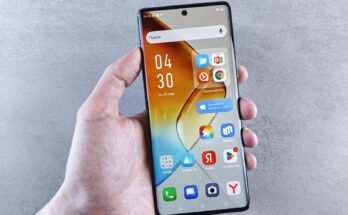
AI is no longer only a chatbot on a website. Phones, laptops, search engines, cameras, writing tools, and smart home devices now include AI features that help users write, summarize, edit photos, translate languages, plan tasks, and find information faster.
The biggest change is that AI is moving from cloud apps into normal devices. Newer phones and laptops can run many AI tasks locally, which can make them faster and more private.
2. Smart Glasses and Wearable Displays
Smart glasses are becoming more realistic and useful. They can show notifications, capture photos, record video, translate speech, provide directions, and connect with AI assistants.
They are not replacing smartphones yet, but the technology is improving quickly. For creators, travelers, and people who want hands-free information, smart glasses are becoming a real product category.
3. Electric and Semi-Autonomous Cars
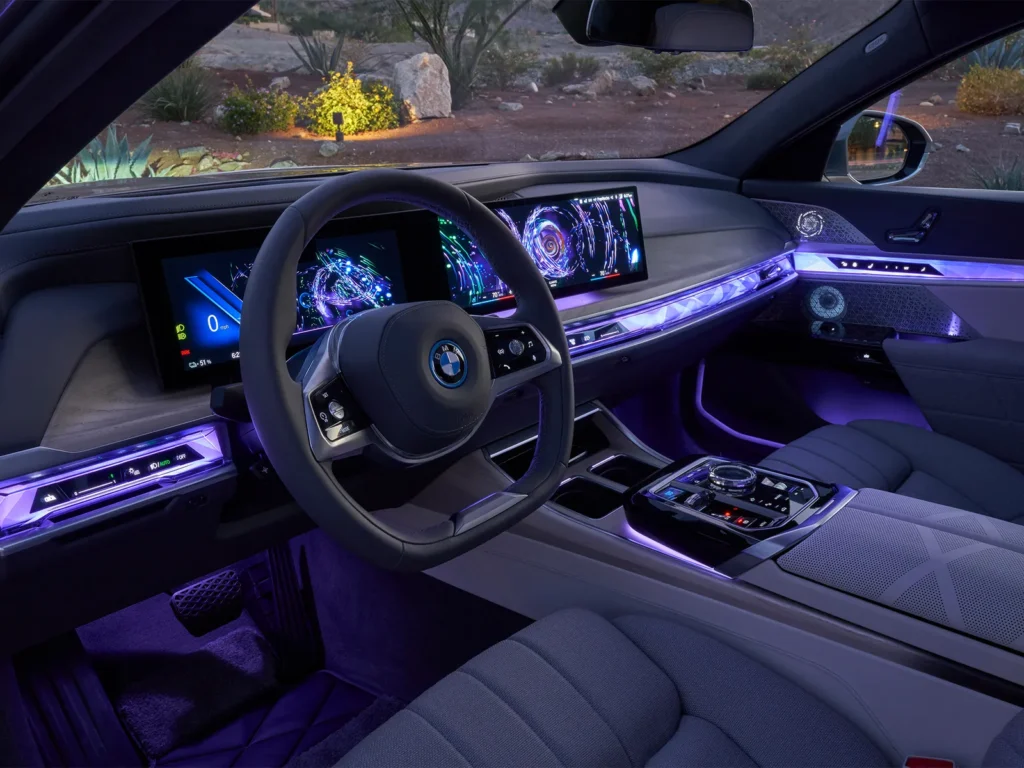
Electric cars are now common in many countries, and driver-assistance systems are improving every year. Features like adaptive cruise control, lane keeping, automatic emergency braking, parking assistance, and smart route planning are already available in many modern cars.
Fully self-driving cars are still not everywhere, but the road toward them is already visible. The future of transport is becoming electric, connected, and software-driven.
4. Drones for Farming, Delivery, and Inspection
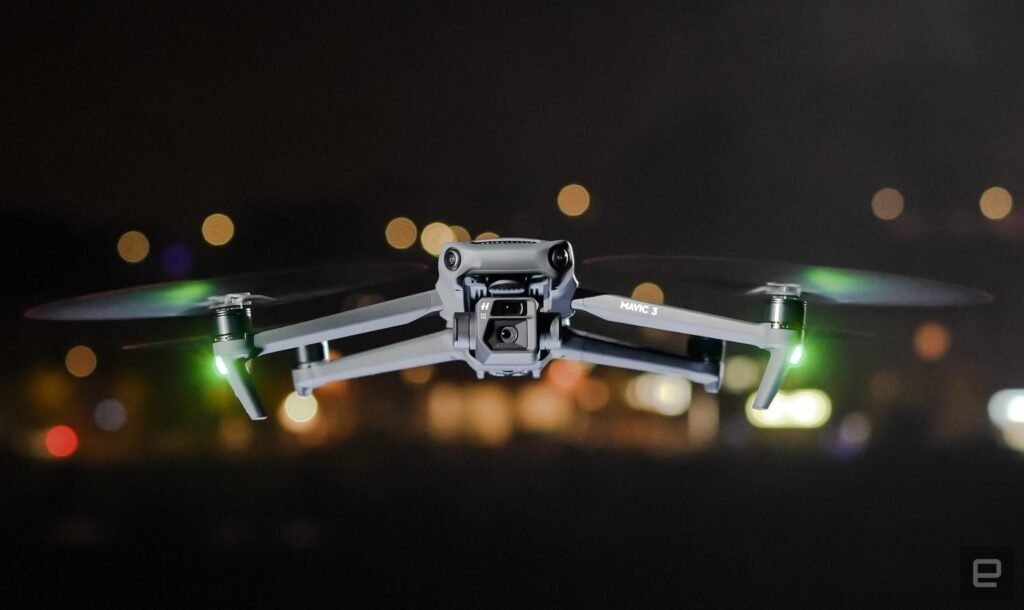
Drones are no longer just flying cameras. They are being used in agriculture, construction, emergency response, mapping, security, and infrastructure inspection.
In farming, drones can monitor crops, spray fields, track plant health, and reduce manual work. This is one of the clearest examples of future technology solving real-world problems.
5. Robots in Homes and Workplaces
Robots are already cleaning floors, helping in warehouses, delivering items, supporting manufacturing, and assisting in hospitals. The next wave is smarter robots that can understand instructions, move more safely, and work around people.
Home robots are still limited, but workplace robots are already changing how businesses operate.
6. Foldable and Flexible Screens
Foldable phones and flexible displays are now real products. They allow one device to work like a phone and a small tablet. The technology is still expensive, but it shows where screens are going.
As durability improves and prices fall, foldable designs may become more common in phones, tablets, and laptops.
7. Satellite Internet
Satellite internet is helping people connect in rural and remote areas where traditional broadband is weak or unavailable. This matters for homes, farms, ships, emergency services, and developing regions.
It is not perfect for everyone, but it is already changing what internet access can look like.
8. 3D Printing for Real Products
3D printing is used for prototypes, medical tools, car parts, aerospace components, custom accessories, and even houses in some projects. It allows companies to make complex shapes faster and reduce waste.
For consumers, 3D printing is still a niche hobby. For industries, it is already a serious tool.
9. Passkeys and Passwordless Login
Passwords are slowly being replaced by passkeys. Instead of remembering long passwords, users can sign in using biometrics or device-based authentication.
This technology is already supported by major platforms and can make online accounts safer from phishing and password leaks.
10. AI-Powered Health and Fitness Tracking
Smartwatches and health apps can track sleep, heart rate, workouts, oxygen levels, stress, and daily activity. AI is making these insights more useful by spotting patterns and giving personalized suggestions.
These devices do not replace doctors, but they can help users notice habits and health signals earlier.
Why These Technologies Matter
The future is not arriving all at once. It is arriving through small upgrades in the devices we already use. Phones become smarter, cars become safer, farms become more automated, and passwords become less important.
The best technology is not always the flashiest. It is the technology that quietly makes life easier, safer, faster, or more connected.
Final Thoughts
In 2026, future technology is already here. AI assistants, smart glasses, drones, robots, electric cars, foldable screens, satellite internet, 3D printing, passkeys, and health tracking are no longer just ideas. They are real tools being used today.
The next few years will not be about one single invention. They will be about these technologies becoming cheaper, smarter, and more normal in everyday life.